
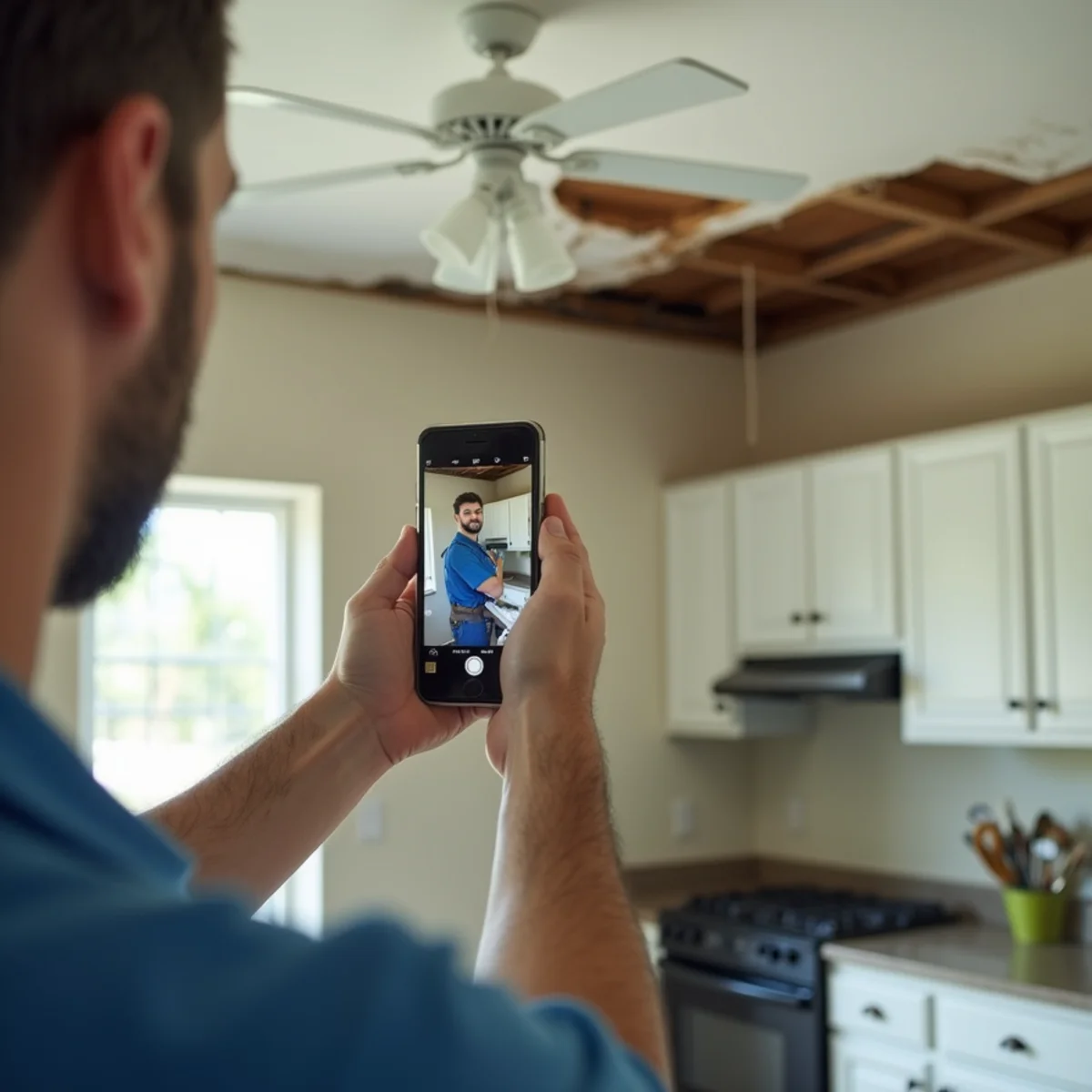
Florida homeowners insurance generally covers plumbing leaks that are sudden and accidental, such as a pipe that bursts without warning, but usually excludes damage from gradual wear, neglect, or long-term seepage. In other words, the burst is often covered; the slow drip you ignored for months typically is not. The resulting water damage to floors, walls, and belongings is frequently covered when the cause was sudden, though the cost to fix the failed pipe itself may not be. Coverage varies by policy, so the details below explain the general landscape, and you should confirm specifics with your carrier.
Not legal or insurance advice
This article is general information, not advice about your policy. Coverage terms, exclusions, and deductibles differ by insurer and change over time. Always confirm what applies to you with your agent or carrier before relying on it.
Sudden and accidental vs. gradual wear
This single distinction decides most plumbing claims. A sudden and accidental event is unexpected and abrupt: a supply line bursts, a hose fails, a fitting lets go, and water floods a room in minutes. That is what standard policies are designed to cover. Gradual damage is the opposite: a slow leak behind a wall, a pipe that corroded over years, or a fixture that seeped long enough to grow mold. Insurers treat gradual damage as a maintenance issue the homeowner should have caught, and they commonly exclude it. The same leak can be covered or denied depending on how long it was active and whether it looks like neglect.
This is why the moment of discovery matters so much. If you find a burst line and act immediately, the timeline supports a sudden-and-accidental claim. If an adjuster sees long-standing water stains, rot, or established mold, the file starts to look like a leak that ran for months, which invites a denial. You cannot control when a pipe fails, but you can control how quickly you respond and how well you document that the failure was recent, which is often the deciding factor in whether a claim is paid.
What is typically covered vs. excluded
- Often covered: sudden pipe bursts, accidental discharge from plumbing or appliances, and the resulting damage to structure and belongings.
- Often the homeowner's cost: repairing or replacing the failed pipe or appliance itself, even when the water damage is covered.
- Commonly excluded: damage from long-term or repeated seepage, corrosion, and lack of maintenance.
- Commonly excluded or extra: mold, unless it results directly from a covered event and the policy includes mold coverage.
- Separate coverage: flooding from storm surge or rising water, which requires a flood policy, not standard homeowners insurance.
- Sewer backups: often excluded unless you carry a specific backup or drain endorsement.
Documentation checklist for a claim
Claims succeed or fail on evidence. The moment you discover a leak, before you clean up, build a record:
- Photograph and video the source, the standing water, and every damaged surface and item.
- Note the date and time you discovered it and what you saw.
- Take reasonable steps to stop further damage (shut the water, start drying) and keep receipts for anything you buy.
- Do not throw away the failed part; your adjuster may want to see it.
- Get a professional assessment of the cause, which helps establish that the failure was sudden.
- Report the claim promptly, because delay itself can weaken a claim.
A professional leak detection service helps here in two ways: it pinpoints the source quickly to limit damage, and it produces a clear account of the cause that supports the sudden-and-accidental case. Acting inside the EPA's 24 to 48 hour drying window also shows you mitigated responsibly, which matters to adjusters.
Deductibles and how to file
Before filing, weigh the deductible. If the damage is close to or below your deductible, a claim may not be worth the premium impact. When it does make sense, contact your insurer, provide your documentation, and cooperate with the adjuster's inspection. Be factual about timing and cause. If the failure was genuinely sudden, say so clearly and let the evidence back it up. Keep copies of everything you submit.
Why old pipes and 4-point inspections matter
Older plumbing affects coverage in two directions. First, Florida carriers often require a 4-point inspection on older homes, and problem materials like polybutylene or aged galvanized and cast iron can lead to declined or non-renewed policies. Second, when a claim comes in, insurers scrutinize whether aging pipes point to neglect rather than a sudden event. Proactively replacing failing plumbing, through a whole-home repipe when warranted, both restores insurability and removes the argument that damage was foreseeable. Homeowners in Palm Harbor frequently repipe ahead of a renewal for exactly this reason.
Every plumber we send is licensed and insured in Florida, and we provide clear documentation of what we find and fix, with the price confirmed at your property before work starts.
Steps that protect your coverage over time
Coverage is not only about how you handle a single leak; it is about the story your home tells an insurer. A few habits keep you on the right side of that story. Fix small leaks promptly rather than letting them linger, because a documented history of neglected drips is exactly what carriers cite to deny a later claim. Keep records of plumbing maintenance and any repipe or repair work, since proof of upkeep counters the neglect argument. And if your home still has known problem materials, plan to address them before they force the issue.
That last point is where older Pinellas County homes get caught. Polybutylene, aging galvanized, and original cast iron are all materials that insurers view as elevated risk, and a related failure can be harder to claim. Proactively upgrading them removes both the physical risk and the coverage argument. In short, the homeowners who have the smoothest experience with plumbing claims are the ones who maintained their systems, documented their work, and acted fast when something went wrong. None of that is a guarantee of payment, but it stacks the odds in your favor.
Leak now, claim later?
Call Red Eagle Plumbers at (858) 363-8298. We detect the source fast and document the cause so your claim stands on solid evidence.